
Opinion
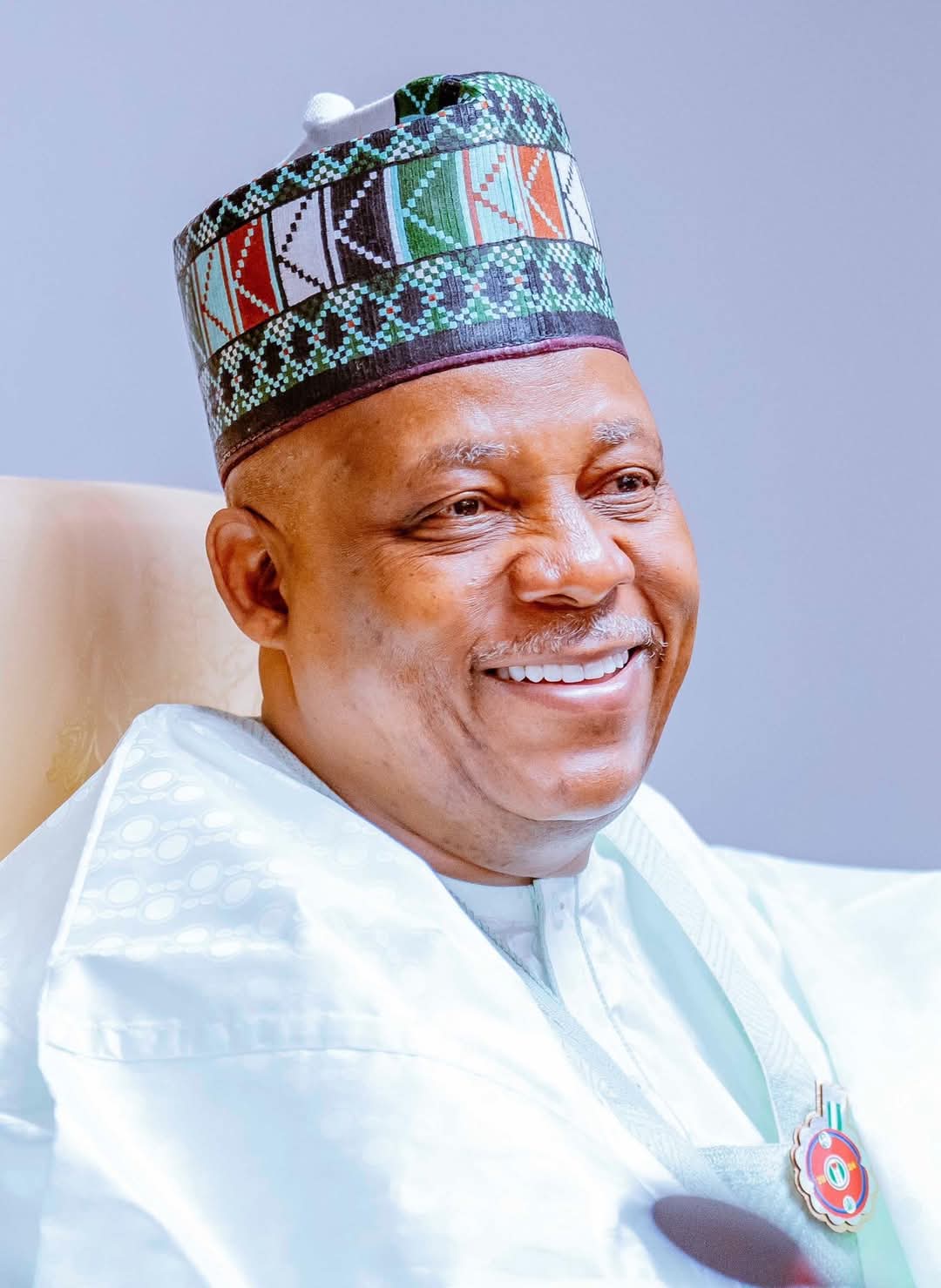
Shettima’s Love for Books

|
Getting your Trinity Audio player ready...
|
Shettima’s Love for Books
By Yusuf Ali
Last week, as a writer and journalist from the North East, I made a passionate appeal to Vice President Kashim Shettima, urging him to document his experiences in a memoir—particularly his courageous leadership during the Boko Haram insurgency in Borno State.
My call followed his stirring charge to Nigerian leaders at the public presentation of OPL 245: The Inside Story of the $1.3 Billion Oil Block by former Attorney-General Mohammed Bello Adoke, SAN. At that event, the Vice President urged public servants to break the culture of silence and document their stories for posterity.
But beyond the power of his words lies a deeper truth: Vice President Shettima is a bibliophile—a true lover of books—and a lectiophile with an insatiable appetite for reading. Everywhere he travels across the world, he seeks out libraries and bookstores, curating a rich personal collection spanning history, politics, biographies, and the wonders of ancient and modern civilizations.
This deep engagement with knowledge sharpens his intellect and enriches his oratory. He speaks with precision and purpose, effortlessly quoting the Qur’an and referencing global thinkers and leaders. From Churchill to Mandela, from Ibn Khaldun to Islamic scholars, his speeches are a masterclass in intellectual depth and contextual clarity—each quote intentional, each idea well-grounded.
It is no surprise, then, that a man so steeped in knowledge would encourage others to write. Yet, even more compelling is the need for him to heed his own call. For those of us who closely followed his journey—especially his years as Governor of Borno State—his story is not only needed, it is essential. It is a story of leadership in crisis, of resilience in the face of terror, and of governance under fire.
I also use this opportunity to urge the Vice President to channel his passion for books into purposeful action by deploying the Kashim Shettima Foundation to support literary works—especially those that document the untold stories of insurgency victims, survivors, and eyewitnesses.
The Boko Haram story must be told by our own people—those who lived through it—not by outsiders whose accounts may lack accuracy or the emotional truth of lived experience.
On a personal note, I am one of those seeking sponsorship for a book I have written on Boko Haram, after publishing a series of articles on the insurgency in the North East—not just as a journalist, but also as a victim. Our stories deserve support, and our voices must be heard.
Mr. Vice President, your love for books is known and admired. But now, the nation awaits your own book. Your story belongs to history—and history deserves to hear it from you.


