
Opinion
‘El-Rufai was talk-and-do’ – disgruntled Kaduna aspirants accuse Uba Sani of breaking consensus deal

|
Getting your Trinity Audio player ready...
|
‘El-Rufai Was Talk-and-Do’ — Disgruntled Kaduna Aspirants Accuse Uba Sani of Breaking Consensus Deal
…Threaten Mass Defection
By Tom Garba
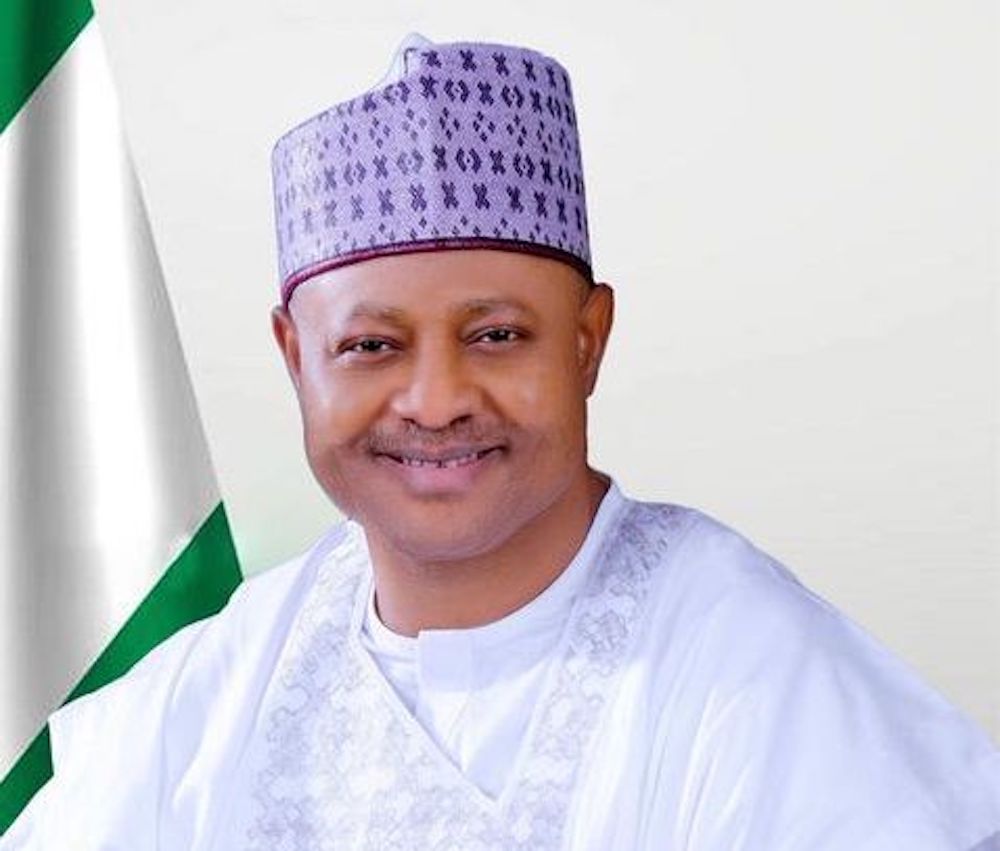
Tension is mounting within the Kaduna State chapter of the All Progressives Congress (APC) as some aspirants who stepped down from the party’s internal contests under a reported consensus arrangement accuse Governor Uba Sani of failing to honour assurances allegedly made to them.
The aggrieved aspirants, who spoke privately with Journalists, said they are disappointed that more than two weeks after they were asked to withdraw from the contest in the interest of party cohesion and electoral victory ahead of the 2027 general elections, promises allegedly made to cushion their financial losses have not been fulfilled.
Some of them are now threatening to reconsider their continued stay in the APC unless the governor addresses the matter and honours the commitments they say were made during a closed-door meeting at the Government House.
The meeting that changed everything
According to the aspirants, the meeting, which they said was convened at the instance of Governor Sani, was held at the Government House conference hall and lasted for more than two hours.
They described the gathering as a “family meeting” in which participants were given an opportunity to speak openly about the party’s internal challenges, the 2027 elections and the need to avoid divisions that could weaken the APC.
The governor reportedly appealed to the aspirants to put the interest of the party ahead of individual ambitions, stressing the importance of loyalty, unity and discipline.
The aspirants said Governor Sani also highlighted what he described as achievements of the President Bola Tinubu administration, particularly in infrastructure and security, arguing that party unity would be essential to sustaining electoral gains in 2027.
It was against that backdrop, they said, that some aspirants agreed to step down from the contest.
The decision, according to those affected, was not simply based on party loyalty but on specific assurances given to them regarding the financial commitments they had already incurred.
“I will pay you all the money for your forms”
One of the central grievances is the alleged promise by the governor to reimburse aspirants who had purchased nomination forms in anticipation of what they believed would be competitive primaries.
According to the aspirants, Governor Sani assured them that the financial liabilities incurred would be settled.
One of the participants quoted the governor as saying:
“I will pay you all the money for your forms. In fact, you will get it tomorrow. I have already instructed the party to do the needful.”
The aspirants said they subsequently submitted their relevant documents and bank account details to the party office the following Monday, expecting the promised payments to be processed.
But more than two weeks later, they claim that nothing has happened.
One of the disgruntled aspirants expressed frustration over the delay.
“This is our two weeks now, nothing is being done. I am beginning to believe what people are saying that our governor is good at making promises without fulfilment.”
Another aspirant said the financial commitment had consequences beyond the individual candidates, arguing that many of them had already invested substantial resources in their political structures and grassroots mobilisation.
He said the money expected from the reimbursement would have been used to support constituents and maintain political structures during the farming season.
“The governor needs to realise that this money is going to the grassroots. We are using it to support our people and strengthen the party at the grassroots. Why is he behaving this way, only God knows.”
‘How do we take his words seriously again?’
The controversy has reportedly created a growing sense of distrust among some of the affected aspirants.
One participant argued that the issue was no longer only about reimbursement but about credibility and leadership.
According to him, a leader’s word should carry weight, particularly when political decisions are being made on the basis of assurances given behind closed doors.
He questioned how the affected aspirants would be expected to campaign vigorously for the party in 2027 if they felt abandoned after making personal sacrifices for what they were told was a collective political arrangement.
Another aspirant went further, suggesting that those who feel betrayed should consider leaving the APC if the governor is unwilling to address their grievances.
He alleged that some political actors were being encouraged to make sacrifices for the party only to be discarded once their immediate usefulness had ended.
‘El-Rufai was talk-and-do’
In expressing their frustration, one of the aspirants compared Governor Sani’s leadership style with that of former Kaduna State Governor Nasir El-Rufai.
The aspirant described El-Rufai as a “talk-and-do” politician whose commitments, in his assessment, were considered more predictable.
“If the former governor made a promise, one could go to sleep because he was a talk-and-do leader. He said what he meant and meant what he said.”
The comparison reflects the depth of frustration among some of the aspirants, who said they expected the current administration to demonstrate the same level of certainty in honouring political commitments.
However, the allegations remain those of the aggrieved aspirants, and there has been no independent confirmation that the governor personally authorised the reimbursement arrangement or that funds were formally approved for payment.
Mass defection threat
The most significant implication of the dispute is the threat by some of the affected politicians to leave the APC.
One aspirant said the group should consider collectively withdrawing from the party if their concerns continue to be ignored.
Such a development could complicate efforts to maintain internal cohesion within the Kaduna APC ahead of the 2027 elections, particularly at a time when political parties are already positioning themselves for a fiercely contested electoral cycle.
For the aggrieved aspirants, however, the issue is bigger than individual ambitions.
They argue that party unity cannot be sustained through appeals for sacrifice alone. Rather, they say, political leaders must demonstrate credibility by honouring agreements reached with party members.
A test of political trust
The controversy puts Governor Uba Sani in a delicate position.
The governor has repeatedly emphasised party unity and political cohesion as essential ingredients for electoral success. But the complaints from the aspirants suggest that internal consensus can become fragile when those who make sacrifices believe that agreed terms have not been honoured.
For the APC, the immediate challenge may therefore be to prevent a financial dispute from developing into a broader political crisis.
The affected aspirants say they are still waiting for the promised reimbursement and are calling on the governor to intervene personally.
They also want the party leadership to provide clarity on the status of the payments and demonstrate that the consensus arrangement was based on genuine commitments rather than temporary political expediency.
As the countdown to 2027 gathers momentum, the dispute offers a reminder that political consensus is sustained not only by negotiations but by trust—and that once trust begins to erode, even seemingly settled political arrangements can quickly unravel.


