
Opinion
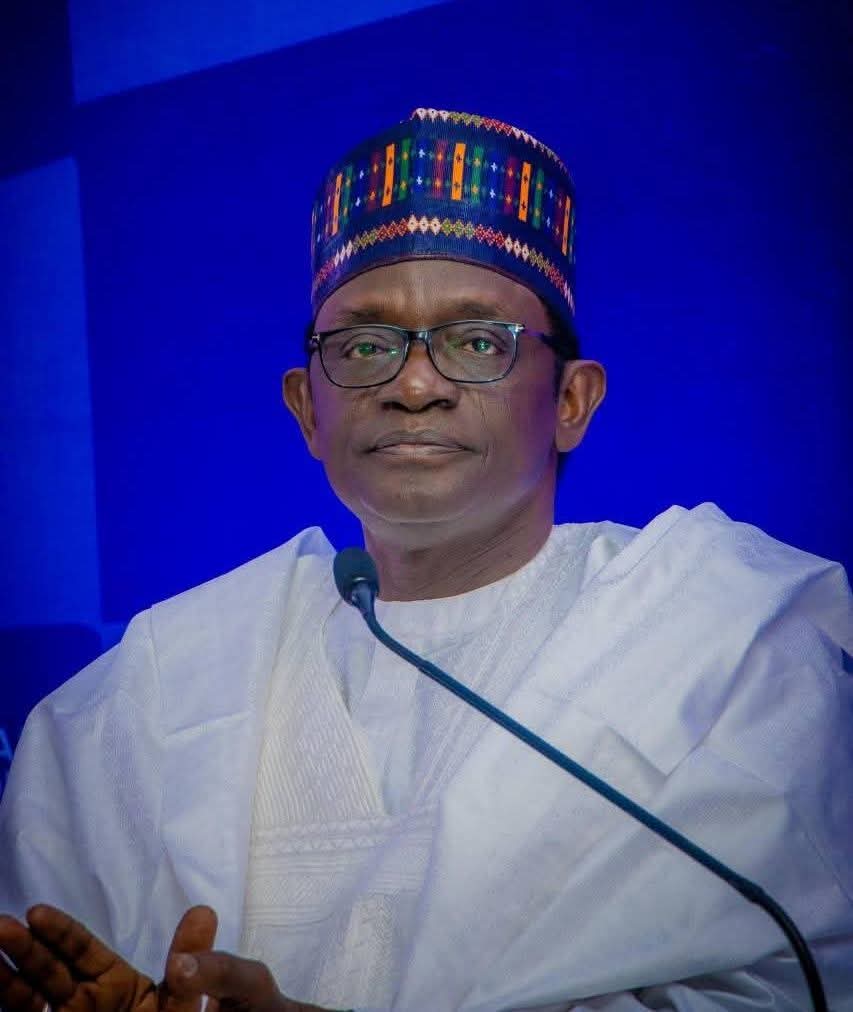
From Yobe to Lake-chad: Gov. Buni’s Indelible Footprints

|
Getting your Trinity Audio player ready...
|
From Yobe to Lake-Chad: Gov. Buni’s Indelible Footprints
By Hussaini Ibrahim
In the often turbulent landscape of Nigerian politics, few leaders have demonstrated the steady, inclusive, and thoughtful leadership exemplified by Governor Mai Mala Buni of Yobe State. His journey from state governor to regional and national leader showcases a rare ability to unite, rebuild, and inspire hope amid daunting challenges. Buni’s commitment to his people, the Northeast region, and Nigeria at large is anchored in transformative policies and a vision for lasting peace and progress.
To begin with, Governor Buni’s leadership is first and foremost a story of deep dedication to the grassroots. Yobe State, one of the most affected by insurgency, has witnessed tremendous devastation over the past decade. Under his administration, over 300 schools have been rehabilitated and reopened, enabling thousands of children to return to the classroom after years of displacement. In addition, the government has renovated more than 50 primary healthcare centers, bringing critical medical services closer to rural populations. Infrastructure development is also a priority, with the reconstruction of over 200 kilometers of rural roads, improving access to markets and social services. Through these initiatives, he has restored dignity and hope to families displaced and traumatized by violence. His emphasis on education, especially, signals a long-term investment in the youth, ensuring they are equipped to lead the state and region out of crisis. By focusing on infrastructure and social welfare, Buni’s government has made significant strides in turning fragile communities into resilient ones.
Moreover, Buni’s vision extends well beyond Yobe’s borders. Recognizing the shared challenges faced by Northeast states—including insecurity, poverty, and displacement—he has been a vocal advocate for greater cooperation among regional governors. As chairman of the Northeast Governors’ Forum, he led the coordinated launch of the Northeast Development Commission (NEDC) projects, which include the building of markets, skills acquisition centers, and security posts to boost both economy and safety. Through his leadership, the forum successfully secured over N100 billion in federal allocations aimed at reconstruction and rehabilitation efforts across the region. This spirit of unity marks a critical shift from fragmented approaches that have historically hampered progress in the region. By promoting regional solidarity, Buni has strengthened the Northeast’s capacity to advocate for its unique needs and to coordinate responses to insurgency and humanitarian crises more effectively.
In addition, Mai Mala Buni’s influence has reached the international arena through his appointment as Special Envoy on the Lake Chad Basin—a region confronting some of the world’s most complex challenges. The Lake Chad Basin, spanning Nigeria, Niger, Chad, and Cameroon, suffers from environmental degradation, food insecurity, and insurgent violence, creating a humanitarian emergency affecting millions. In this role, Buni has demonstrated diplomatic skill and pragmatic leadership, uniting diverse stakeholders around sustainable solutions. Under his stewardship, the multinational Joint Task Force intensified cross-border operations, leading to a significant reduction in terrorist activities in Lake Chad islands. Moreover, he facilitated partnerships that resulted in millions of dollars in humanitarian aid and environmental restoration projects aimed at replenishing Lake Chad’s shrinking water levels and supporting displaced communities. His approach respects the sovereignty of each nation while focusing on shared goals for peace and development.
Furthermore, at a critical moment for Nigeria’s ruling party, Buni was called upon to serve as the National Caretaker Chairman of the All Progressives Congress (APC). During his tenure, the party was marred by internal divisions that threatened its unity and political future. Buni’s leadership style was marked by inclusiveness and dialogue.
Instead of deepening factional conflicts, he reached out to opposing camps within the party, mediating disputes and building consensus. His ability to navigate these challenges restored confidence among party members and paved the way for increased defections from opposition parties, strengthening APC’s grassroots presence. Under his stewardship, APC conducted more transparent ward congresses and enhanced youth participation, vital for sustaining the party’s relevance and success in Nigeria’s evolving political landscape.
Equally important is what sets Mai Mala Buni apart: his unique capacity as a bridge builder. He effortlessly crosses political and ethnic divides, earning respect from both loyalists and opposition figures alike. His reputation for fairness and pragmatism enables him to foster collaboration where many others see only division. This quality has been instrumental in his regional roles, where building trust among diverse groups is essential for progress. Whether in Yobe, across the Northeast, or on the Lake Chad Basin stage, Buni’s commitment to dialogue and unity has made him a pivotal figure in efforts to bring peace and development.
At the same time, Buni’s governance balances strategic vision with a keen empathy for the daily struggles of ordinary citizens. His policies reflect a deep understanding that development must be both sustainable and inclusive. By combining practical initiatives—such as improving infrastructure and expanding social services—with a participatory approach to leadership, he ensures that government actions translate into real improvements in people’s lives. This thoughtful style of governance builds trust and encourages community participation, essential ingredients for lasting peace and growth in a region recovering from conflict.
In particular, a key focus of Buni’s administration has been youth empowerment. Through vocational training programs, job creation schemes, and educational scholarships, he is opening pathways for young people to contribute meaningfully to their communities. These efforts not only address immediate unemployment challenges but also lay the foundation for long-term economic resilience. By investing in youth and community development, Buni is nurturing a generation that can sustain the peace and progress he has worked hard to achieve.
Ultimately, from the ruins of insurgency to the halls of political power, Mai Mala Buni’s story is one of transformation. His steady, thoughtful leadership offers a blueprint for how Nigeria’s most difficult challenges can be met with vision, unity, and compassion. In an era marked by uncertainty, Buni’s commitment to bridging divides and fostering sustainable development gives hope that Nigeria’s future can be brighter—not just for Yobe or the Northeast, but for the entire nation.
Hussaini Ibrahim is a media strategist and journalist who writes for PUNCH, Triumph, and other leading online media platforms.


